2011 · Adventure · Yukon & Northwest Territories, Canada
The Arctic
350 miles. The only finisher.
- Miles on foot
- 350
- Day race
- 8
- Sole finisher that year
- 2011
Eight days in extreme cold. A self-sufficient journey through the Arctic that tested preparation, judgement and the limits of endurance.
A personal challenge
In 2011, Lowri took on the 6633 Arctic Ultra: a non-stop, self-sufficient 350-mile foot race in a frozen, windswept landscape. Daily temperatures hovered around −40°C. At the time, only five people had ever completed the race.
For Lowri, this was not about beating other runners or setting records. It was a chance to discover how far she could push herself physically and emotionally. Her preparation rested on three equally important elements: physical strength, mental attitude and personal administration — the systems that would keep her moving when exhaustion made even simple tasks difficult.
Preparing for the cold
The training was demanding: around 30 hours and 150 miles a week, with 4,000 miles covered in the twelve months before the race. Lowri trained with Special Forces in northern Norway, ran in industrial-sized freezers and practised repeated climbs of Snowdon. After a 46-mile race in the Brecon Beacons, she ran home to Gowerton, Swansea, completing 105 miles in 21 hours.
At home, she spent hours packing and unpacking her kit. In Norway, soldiers taught her to assemble and dismantle her cooker blindfolded, light fires in knee-deep snow and sleep outside in temperatures as low as −60°C. The training frightened her, but it also made unfamiliar tasks repeatable: repairing equipment, melting ice and organising kit could no longer depend on feeling rested or comfortable.
When someone is cold, hungry and sleep-deprived, fastening a shoelace can become an ordeal. Lowri wanted the practical work to be so familiar that she could carry it out almost without thinking.
Into Hurricane Alley
The 6633 was her first race in extreme cold, and the conditions were a shock. In her original account, Lowri recalls average temperatures around −40°C and wind-chill readings reaching approximately −75°C. Having raced in the heat of the Amazon, she now faced a very different test.
After the first 24 hours she was in fifth place, before catching the four competitors ahead. One had withdrawn; the others had taken shelter in bivvy bags as winds reached 70mph and wind chill fell to around −72°C. In darkness, she had to decide whether to rest with them or continue towards the Richardson Mountains.
She chose to go on. Over nearly 46 hours, she took only a couple of hours’ rest. At Wrights Pass, on the border between the Yukon and Northwest Territories, the winds in the stretch known as Hurricane Alley sometimes made it difficult simply to stay upright.
The last runner
One by one, the other competitors withdrew. After 250 miles, Lowri was the only person still in the race. The temptation to stop was real, but the landscape kept giving her reasons to continue.
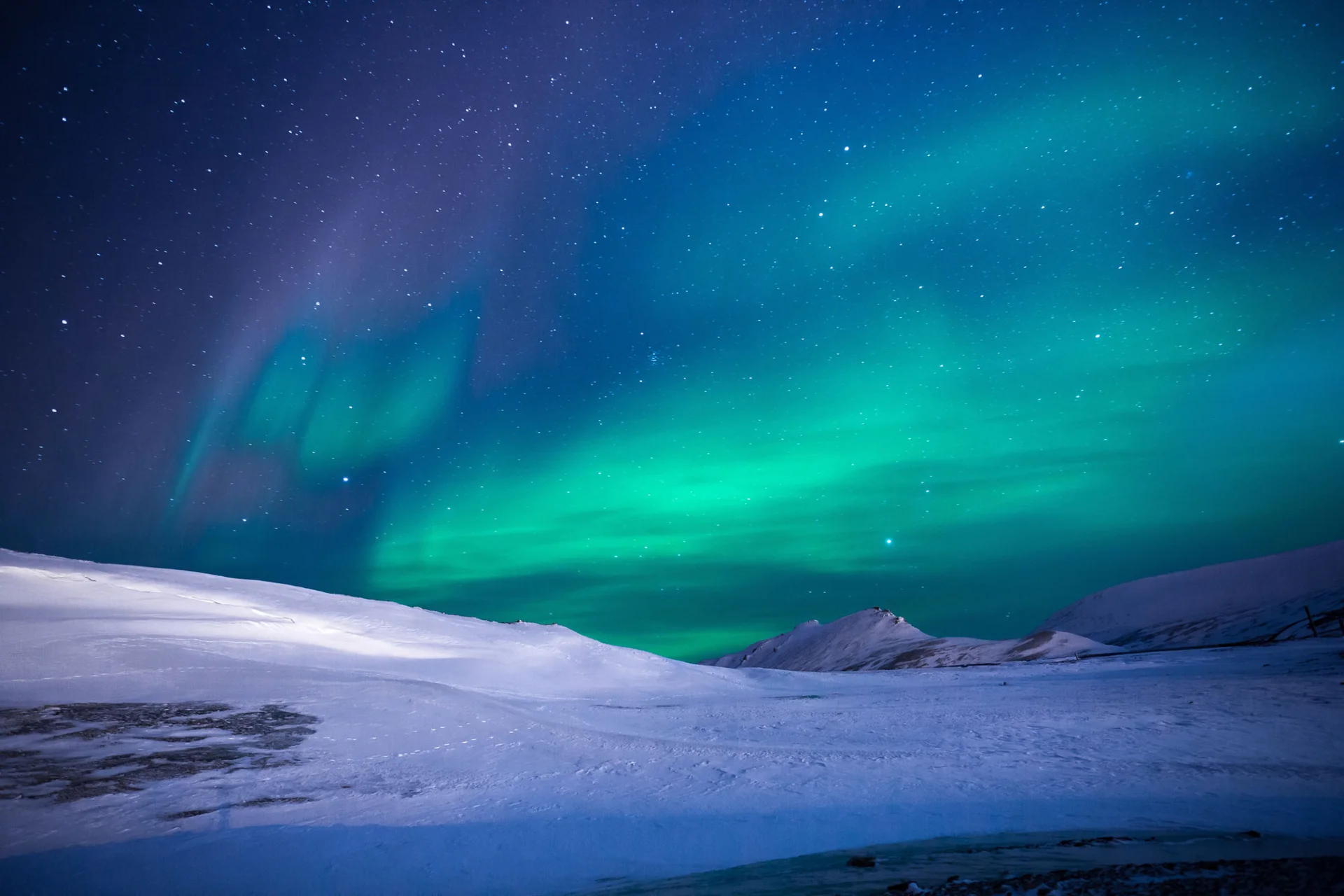
The early course was undulating and lined with pine trees. Further north, the trees grew smaller and the land became increasingly barren. Each night brought the Northern Lights: bright green shapes moving across the sky, sometimes bright enough to light her way.
By the final stretch, on the frozen Mackenzie River, she believed she would reach the finish even if it meant dragging her fractured feet there. During winter, the river becomes an ice road. Its blues, yellows and greens were among the sights she remembered most vividly.
One final night under the lights
With about 20 miles remaining, Lowri reached a high point on the ice road with views stretching for miles. The evening sky turned pink. She took out her sleeping bag and bivvy bag and rested for an hour, watching the Northern Lights for the last time on the journey.
The beauty did not remove the difficulty. Continuous walking and running, loneliness and a lack of sleep took a profound toll. Lowri experienced hallucinations, including an imagined row of park benches on the ice road. Tears froze as they formed.
She finished as the only competitor to complete the 6633 Arctic Ultra that year, becoming the sixth person to have finished it by 2011. Her original account describes an experience that stripped her back emotionally before slowly rebuilding her — a challenge measured not against the other runners, but against the decision to continue.
From the expedition